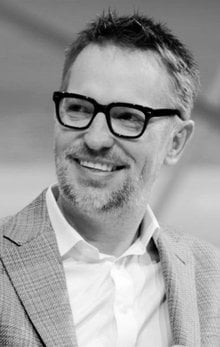
LinkedIn CEO: Ditch the Five-Year Career Plan

As the leader of a platform that connects over a billion users with professional opportunities, LinkedIn CEO Ryan Roslansky is a prominent voice in the world of careers. His latest advice challenges the value of the five-year plan for employees and the organisations that hire them.
For human resources departments, traditional career pathing has often relied on a structured, long-term outlook. However, Ryan believes this model is fast becoming redundant. Speaking on a podcast, he explained the flaw in this conventional wisdom.
“You’ll hear people frequently say, ‘hey, you have a five-year plan, like, chart out what the next five years of your life are going to look like, and then follow the path and follow that plan,” Ryan said. “And in reality, when you know technology and the labour market and everything is moving beneath you, I think having a five-year plan is a little bit foolish.”
The shifting labour market
A primary cause of this change is the rapid integration of artificial intelligence into the workplace. AI is not only a tool for existing employees but is also reshaping recruitment. Job seekers can now deploy AI to apply for hundreds of roles autonomously, a development that presents new challenges for talent acquisition teams seeking genuine candidate interest.
This technological development continues once a candidate is hired, with many professionals finding their roles evolving to include AI-powered tasks. As a result, recruiters are increasingly prioritising AI-savvy talent.
Data from the World Economic Forum highlights this evolution, reporting that an estimated 39% of core professional skills are expected to be transformed or obsolete by 2030. These rapid changes underpin the argument that rigid, long-term career goals may no longer be practical.

A new model for employee development
Instead of a fixed five-year trajectory, Ryan advises a more agile approach focused on immediate development. “I would much recommend people focus on maybe the next few months and a couple things that aren’t a plan.”
For HR leaders, this suggests a move towards fostering a culture of continuous learning over rigid, long-term career ladders. The focus should be on what employees want to learn and the experiences they wish to gain in the short term.
“I think that’s the right mental model in this environment,” Ryan said. “If you focus on those shorter steps, gaining learning, gaining experience, a lot of your career path will open up for you.”
This model encourages internal mobility and adaptability, allowing the employee and the organisation to pivot as market demands and technologies change.

Guiding the next generation of talent
This new reality particularly affects younger people entering the workforce, for whom a linear career path is increasingly unrealistic. The traditional sequence of school, university and a predictable corporate climb is fading.
“You can take your career into your own hands,” Ryan encourages, urging people to embrace this lack of a set path. He advises new talent to proactively “learn the tools” of AI.
“Try and figure out how to create a presentation out of chat, you know, figure out how this can help you get a better marketing message,” Ryan explained.
Adopting this mindset is key for career growth. “That mental model - like, ‘I’m going to use this tool and learn it to help me do something’ - I think it's the most important thing.”
In a world focused on technology, Ryan added a final, crucial piece of advice. He noted that developing strong interpersonal abilities is just as important, stating that “a lot of those human skills, it can be a great differentiator for you.”
For organisations, this is a reminder that while technical proficiency is crucial, fostering the soft skills that technology cannot replicate remains a vital component of talent strategy.
Company portals

Executives
Ryan Roslansky
Executive Vice President