The C-Suite Mandate: Building a Unified Human-AI Workforce

The age of AI is presenting businesses and their leaders with a period of profound change, but also an opportunity to fundamentally reshape the corporate landscape.
According to a report from KPMG, this rapid evolution is creating a new mandate for the C-suite to steer their organisations through growth, risk, innovation and complexity.
According to the 2025 KPMG CEO Outlook survey, 86% of US CEOs are confident about their country’s growth prospects, with 84% feeling optimistic about their own company’s advancement.
Despite this optimism, KPMG finds change is a constant, with 79% of CEOs reporting altering their strategy as a result of a market in flux.
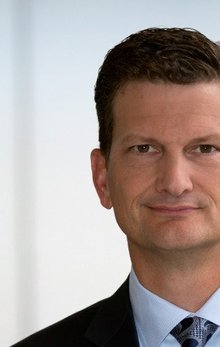
Tim Walsh, Chair and CEO of KPMG US, says: “The CEO role is evolving and increasingly multi-dimensional as expectations become more expansive. But CEOs are leading with confidence, leaning into new skillsets and adaptability as they position their organisations for success in years to come.”
Allocating resources for AI integration
Topping CEOs' agendas is the challenge of harnessing AI's power for growth while mitigating and managing the cultural transition and risks that come with it.
KPMG finds consensus among leaders that AI will be a major force behind the most important innovations in the coming years.
The survey found that 74% of CEOs ranked AI as their top investment priority to counter economic uncertainty. In support of this, 69% plan to allocate between 10-20% of their budgets to AI initiatives within the next year.
However, there is a tangible gap between intention and execution. The report highlights that only 13% of leaders feel “very confident” their organisations are ahead of the curve on AI adoption.
To use AI to promote growth, business leaders must rethink their resource allocation strategies. This means more than just investing in new technologies; it requires a commitment to developing AI-specific talent and infrastructure.
Companies that fail to make these investments risk falling behind in an increasingly competitive market, says KPMG.

Navigating the new workforce and security risks
The integration of AI also brings new challenges, particularly in workforce management and cybersecurity.
Executives are acutely aware of the potential for AI to disrupt traditional job roles and are focused on reskilling and upskilling their employees. The survey highlights several key concerns:
- An extreme concern about fraud detection and prevention (65%)
- Identity theft and data privacy are major concerns and leadership priorities (52%)
- A recognition of vulnerability to cyberattacks as a key threat that their organisations are addressing (45%)

Cultivating a hybrid human-AI culture
Perhaps the most complex challenge is creating a culture where humans and AI can work together effectively, KPMG finds. While the productivity gains from AI are clear, the technology presents major cultural challenges - according to the survey, more than half of the CEOs surveyed are concerned about the impact of AI on their organisation’s culture.
Looking ahead, 86% of leaders expect their managers to oversee multiple AI agents as part of their roles in the coming years.
Leaders must champion a vision of AI as a tool that augments human capabilities, not one that replaces them.
This involves fostering an environment of continuous learning and adaptation where employees are encouraged to experiment with AI and develop new ways of working.
The transition to a hybrid human-AI culture is a gradual process that requires sustained effort and a clear commitment from the top.
Company portals

Executives
Bill Thomas
Global Chairman and CEO, KPMG International
Tim Walsh
Chair and CEO