
Behind OpenAI's Plans to Double Workforce Within 12 Months
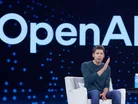
By the end of 2026, OpenAI – the AI firm behind ChatGPT – is set to almost double its workforce, from 4,500 to 8,000 employees.
This ambitious goal has been set to keep pace with OpenAI’s two biggest competitors: Google, which has seen an increase in everyday chatbot users, and Anthropic, which has seen an increase in business customers.
For the $730bn startup to achieve this hiring target, 12 people would need to be hired each day, who, according to the Financial Times, would work across engineering, research, sales, and product development roles.
There will also be an increased focus on “technical ambassadorship” roles to ensure the business is utilising its tools to the best of its ability.
However, the average tenure for a US-based OpenAI employee is around 16 months.
Since launching ChatGPT, OpenAI has seen an influx of talent from competitors such as Apple, Google, Microsoft and Meta, according to Business Insider.
Over the past three years, nearly half of OpenAI’s hires have come from one of these four competitors.
OpenAI’s most recent funding round valued the company at $840 billion, with major backers – including Big Tech firms and Masayoshi Son’s SoftBank – participating in the US$110 billion raise.
Sam Altman, Co-Founder and CEO of OpenAI, says: “We’re pushing the frontier across infrastructure, research and products to make AI more capable, reliable and broadly useful.
"SoftBank, NVIDIA and Amazon are long-term partners who share our ambition to turn real scientific progress into systems that deliver meaningful benefits for people at global scale. Building AI that works for everyone will require deep collaboration across the stack and we’re excited to do this together.”
OpenAI’s plans to outpace competitors
The recruitment push is said to come after Sam reportedly issued an internal “code red,” to pause all non-essential projects in December 2025, encouraging employees to redirect their efforts to accelerating development.
This is said to be part of the company’s strategic overhaul to close the gap between customers choosing either Google or Anthropic.
Anthropic has emerged as the top choice for first‑time business buyers of AI, according to the Financial Times, which reported that card and billing data from more than 50,000 customers of the payments startup Ramp shows a reversal of the companies’ positions compared with a year ago.
However, a spokesperson for OpenAI rejected this idea: “The notion that enterprise market share can be derived from Ramp credit card data is insane. It’s a bit like saying global lemon sales can be calculated based on my kid’s lemonade stand.
“Large enterprise clients do not pay for multimillion-dollar contracts with a credit card. And they likely don’t even use Ramp,” he added.

Getting ahead of the competition
Despite the hiring push, both OpenAI and Anthropic are said to be loss-making businesses, as leadership is spending billions of dollars more than is being earned on training new AI models.
Both are striving to become profitable by cutting costs and boosting revenue, as they aim to become publicly listed in 2026.
Although OpenAI’s ChatGPT has been the most successful consumer application amongst consumers since its 2023 launch – drawing in 900 million users – 90% of those do not pay to use the platform.
To move further ahead, both businesses are taking drastically different approaches, with OpenAI aiming to do “everything, everywhere, all at once”, as described by one investor, and Anthropic focusing on selling its Claude model to businesses.
Another way in which OpenAI plans to grow the business is through its partnerships with Amazon.
Sam explains: “OpenAI and Amazon share a belief that AI should show up in ways that are practical and genuinely useful for people.
“Combining OpenAI’s intelligence with Amazon’s infrastructure and global reach helps us put powerful AI into the hands of businesses and users at real scale.”