FedEx HR VP says Trust will Decide the Future of Leadership

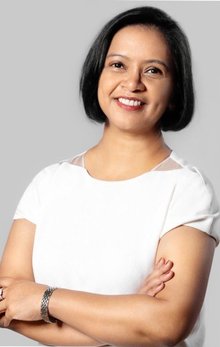
Rumana Rahman, Vice President of Human Resources APAC and MEISA at FedEx, says successful HR leadership today requires a deep understanding of business, a commitment to people-centricity and the ability to lead through uncertain times.
As workplaces across APAC continue to work through technology growth, shifts in employee expectations and growing business complexity, the role of the HR leader is moving far beyond traditional people management.
With more than two decades of experience across various markets, Rumana believes that high performance and employee wellbeing are not conflicting priorities, but ones that can mutually benefit one another.
In June, she posted her thoughts on LinkedIn, discussing how HR can avoid falling behind as companies continue to scale and implement new systems that could impact the employee experience, such as AI technology.
She said: “As organisations become increasingly global, hybrid and AI-enabled, HR's role is expanding from operational stewardship to enterprise leadership.
“The challenge is no longer managing talent within boundaries, it's creating alignment, trust, and shared purpose across them.”

Establishing culture with company values
Rumana discussed how enterprises can establish a consistent culture across geographies, why empathy and adaptability are integral leadership traits, how AI is creating a shift within HR and why the future of the profession will involve moving managing processes to directly shaping business outcomes.
Rumana recalls how early on in her career she learnt that to be an effective HR leader, professionals need to think beyond the HR field. She says executives need to occasionally think like “a finance leader, a marketing leader, or even a business president”.
She explains how this shift changed her entire leadership philosophy.
“It taught me that the most impactful people solutions are those that are deeply connected to business realities while remaining human-centric,” she says.
“When you can put yourself in the shoes of business leaders and understand the challenges they face, you're able to create solutions that work for both the organisation and its people.”
Rumana adds that building organisational culture across diverse areas is down to anchoring culture around a clear set of values.
She says: “Whether you're in Australia, Korea, Saudi Arabia, India, Singapore, or China, the values themselves don't change.”
Additionally, she goes on to say that while the values themselves don’t change, the way they “come to life” does.
“Culture gives people a shared understanding of who we are, what we stand for, and how we show up for one another, our customers, and our communities. It connects people across regions, time zones, and business priorities while helping us navigate continuous change and transformation,” Rumana says.
Meaningful moments across the employee lifecycle
As FedEx’s Vice President of HR, Rumana says she aims to make every experience outstanding for customers, employees and stakeholders alike by designing “meaningful moments” across the employee lifecycle with learning opportunities, recognitions and celebrations and experiences that emphasise value and connections.
“In my experience, negative experiences often leave a stronger impression, therefore during periods of change, leaders must spend time listening, understanding concerns, and creating safe spaces for feedback,” she says.
As company environments continue to become more dynamic and complex, Rumana says it’s becoming increasingly difficult to define leadership through traditionally-set responsibilities, adding that HR leaders are pushing for greater emphasis on “future-focused capabilities” such as dealing with ambiguity, empathy, curiosity and having a growth mindset.
Discussing potential disrupters and aspects that could impact the employee experience, such as AI, Rumana says regardless of technology integration, aspects of HR “must remain deeply human”.
She adds: “Technology is most powerful when it amplifies human capability, enabling HR teams to combine innovation with strong human insight and connection.”

Effective HR leadership moving forward
Discussing the prospect of successful HR leadership in the next five years, Rumana believes that leaders who think beyond their immediate function, country or region and those who understand the business, workforce challenges and organisational priorities will be the ones who prosper.
“As HR processes become more efficient through technology, HR leaders will have more time to focus on creating value. That means helping organisations attract the right talent, strengthen engagement, improve performance, and guide people through continuous transformation,” she says.
Using a football analogy, she details the ways HR needs to position itself for success: “The days when HR sat in the stands managing processes are over. HR needs to be on the field, playing the game alongside business leaders. Our role is to guide, influence, and enable success.
“We may not always be the ones scoring the goals, and that's okay. HR remains a support function. Our job is to help the business and its people succeed.
“That's how I see the role of modern HR leadership, creating the conditions for others to perform at their very best.”
Company portals

Executives
Rumana Rahman
Vice President Human Resources APAC & MEISA