
How Apple Is Preparing for Life After CEO Tim Cook
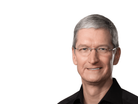
When an organisation faces the departure of a long-standing chief executive, the succession planning process becomes a critical test of corporate governance and talent management strategy. Apple could be demonstrating how to navigate this challenge as it prepares for a potential leadership transition.
The tech giant's Board of Directors and Senior Executives are intensifying their succession plans for CEO Tim Cook, sources have told the Financial Times.
According to a report from 15 November, Apple is preparing for Tim to step down from the helm after 14 years, as early as next year. The deliberate approach to this transition offers valuable lessons for HR leaders managing executive succession in their own organisations.
Identifying internal talent
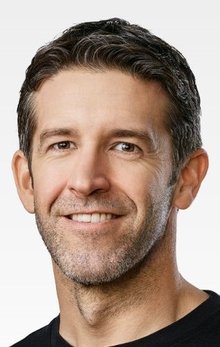
Fifty-year-old John Ternus, Apple's senior vice president of hardware engineering, is widely seen as the most likely successor to the CEO role, but the sources reportedly say that no final decisions have been made yet. His emergence as the leading candidate highlights the importance of developing internal talent pipelines for critical leadership roles.
Bloomberg's Mark Gurman reported in the September Power On report that the tech giant is set to witness a series of departures from its exec team, including the CEO. Mark identified John as the leading internal candidate to replace Tim, while assuming the chief will "probably become Apple's executive chairman".
The vice president, who has led Apple's hardware division since 2021, has "emerged as a key decision-maker on product road maps, features and strategies, extending his influence beyond the traditional scope of a hardware engineering chief", according to Mark.
John's contributions include the transition to Apple Silicon and engineering flagship devices like the iPhone and Mac.
Strategic succession timeline
Those close to Apple have told the Financial Times that the company is unlikely to name a new CEO before its next earnings report in late January, and an early-year announcement would allow a new leadership team to settle in before annual events.
This measured timeline demonstrates the value of coordinating leadership transitions with business cycles to minimise disruption.
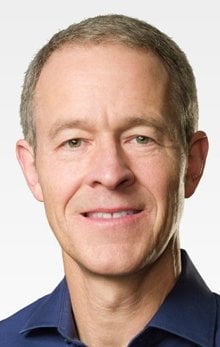
The succession planning appears to be part of a broader executive restructuring. Previously, the Bloomberg journalist said that Jeff Williams, Chief Operating Officer (COO), was a top contender for the CEO position, but after his announced departure, he is no longer the leading candidate.
In July, it was announced that Jeff would be stepping down as COO, with Sabih Khan, previous senior vice president of operations, transitioning into the role.
Building leadership continuity
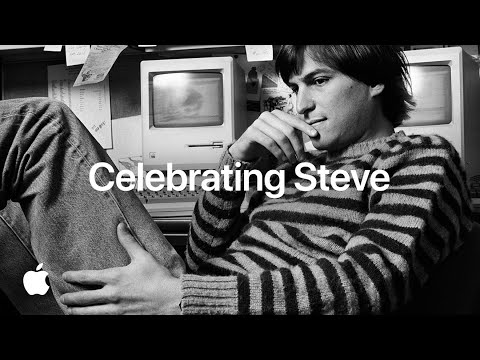
Tim's own career trajectory at Apple illustrates the effectiveness of internal development and succession planning. He was appointed CEO in 2011, following the resignation of co-founder and ex-CEO Steve Jobs, who left the tech giant on health grounds.
After his appointment as senior vice president for Worldwide Operations in 2002, Tim was named COO in 2005. CEO Steve Jobs said at the time: "Tim has been doing this job for over two years now and it's high time we officially recognised it with this promotion.
"Tim and I have worked together for over seven years now and I am looking forward to working even more closely with him to help Apple reach some exciting goals during the coming years."
During his time as COO, he served as interim CEO during periods when Steve took leave on medical grounds, which led the then CEO to recommending Tim as his replacement. This gradual transition model allowed Tim to demonstrate readiness for the top role before formally assuming it.
Shortly after Tim started his tenure, the iPhone 4S, iCloud, and Siri were publicly announced on 4 October 2011. Since then, he has overseen significant product expansion across multiple categories.
Tim has previously commented on his preference of who will replace him, telling singer Dua Lipa in 2024 on her podcast At Your Service: "I really want the person to come from within Apple."
This commitment to internal succession reflects the company's broader philosophy on leadership development and organisational culture preservation.
Company portals

Executives
Jeff Williams
Senior Vice President Design, Watch, and Health
John Ternus
CEO
Tim Cook
Executive Chairman