Why is the AI-Driven Convergence of HR and IT Critical?

The integration of AI is reshaping internal business structures, upending traditional work processes and systems and prompting a re-evaluation of traditional enterprise department functions.
In particular, the once-distinct roles of HR and IT are converging at an increasingly rapid pace as companies seek a more unified approach to data technology and people management.
This change is not a distant concept but an impending reality for many. According to a survey from software firm Nexthink, 64% of senior IT decision makers in large firms anticipate the integration of their HR and IT teams within the next five years.
The move toward integration is caused by the need to dismantle internal siloes and foster a cohesive business strategy, where data and ideas are shared freely across departments.

Companies such as Moderna, Covisian and Bunq are at the vanguard of this trend, demonstrating how a combined approach to people and technology can redefine how work is performed.
Redefining organisational workflows
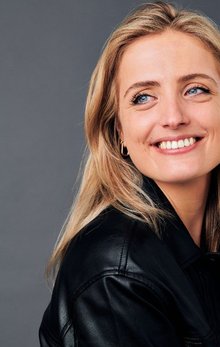
Leading this structural evolution is Tracey Franklin, Chief People & Digital Technology Officer at biotech company Moderna. Her dual role overseeing both the HR and IT functions illustrates the strategic advantage of such a merger.
Tracey's responsibilities cover core IT infrastructure and the digital technology that's increasingly essential for Moderna's research manufacturing and commercialisation processes.
This integrated model moves beyond the traditional sequential relationship between HR and IT.
"Traditionally, HR departments would say, 'we're going to do workforce planning, so we're going to count how many humans we need to get tasks done'. And then the IT team would take requests [for] the systems that we need,' Tracey says.
In a shift from more traditionally defined roles, she now sees her position as being "an architect of how work is done".
This role focuses on analysing and designing the flow of work through Moderna determining where technology like hardware software or AI can be implemented and how human skills can best complement these systems.
Navigating cultural and practical integration
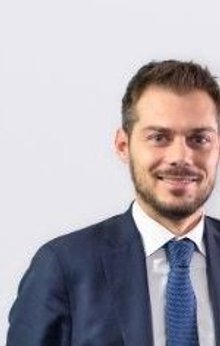
Merging two departments with distinct professional cultures presents a major challenge. Customer service provider Covisian undertook this task in April 2023, appointing Fabio Sattolo as Chief People and Technology Officer to guide the process
For Covisian, which has 27,000 employees the primary obstacle was communication.
"Making people speak the same language was the hardest part, because IT and HR people are really different,' Fabio explains.
To bridge this gap, the business appointed neutral team leaders to act as mediators, working to facilitate collaboration and negotiation between the two sides.
"It's like a judge who makes them negotiate to find the proper solution,' he says.
This approach has delivered concrete benefits. A new internal job postings tool developed through this integrated effort has successfully doubled the number of responses to job advertisements showing the practical gains of a unified strategy.
Developing a future-focused workforce strategy
The strategic alignment of people and technology is also central at online bank Bunq, where the IT and people teams operate within a single organisational structure.
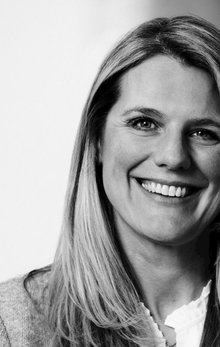
Bianca Zwart, Chief Strategy Officer, argues that both functions share the common purpose of supporting the wider business operations.
Bunq is pursuing a major automation strategy with the goal of automating 90% of its operations by the end of 2025 while simultaneously continuing to hire new staff.
This highlights a critical change in workforce dynamics.
"In any company, people need to understand that they need to work in a completely different way moving forward,' Bianca says.
The strategy at Bunq suggests that as "AI will be taking away the repetitive tasks" employees will be able to "focus on the more complex problems", a key consideration for strategic workforce planning.
Despite the apparent benefits and growing adoption this trend is not without its critics. In particular, concerns have been raised by some HR professionals about the potential dilution of specialist knowledge.
David D'Souza Director of Profession at the CIPD cautions that "the skillsets of the two professions are complementary, and don't have much overlap", for example.
He advocates for enhanced collaboration between HR and IT rather than a complete structural merger.
"Merging the departments risks losing or diluting the specialist expertise businesses need to thrive," he says. As businesses continue to adapt to AI the discussion around the best way to structure organisations will undoubtedly evolve.

Executives
Bianca Zwart
Chief Strategy Officer
Fabio Sattolo
Board Member
Tracey Franklin
Chief People and Digital Technology Officer