
Why Jensen Huang Says CIOs Will Become HR for New AI Workers
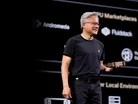
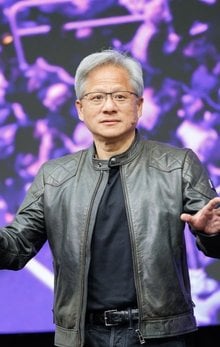
Jensen Huang, Nvidia CEO, wants HR leaders to plan for a workforce where CIOs help run HR - for digital employees.
The tech leader says his IT teams will administer the hiring, orientation and performance of AI “employees”, integrating them into teams and culture just like people.
“I tell my CIO, our company’s IT department, they're going to be the HR department of agentic AI in the future. Those digital employees are going to work with our biological ones, and that’s going to be the shape of our company in the future,” he said.
Jensen’s vision pushes HR into the operational heart of AI deployment. In his January CES keynote - one of the world’s largest tech trade shows - he declared that “the age of agentic AI is here”.
He believes AI will not only assist human workers but be employed like people, going through a hiring and orientation process to absorb company culture, philosophies and practices.
Onboarding a digital workforce
In an interview with Citadel Securities published on 15 October, Jensen framed the scale of this shift. He said AI employees will be a “couple-of-trillion dollar market opportunity probably”, with “AI digital nurses, AI accountants, AI lawyers”.
He added: “I wouldn’t be surprised if you licence some and you hire some, depending on the quality and depending on the deep expertise. So future workforces in enterprise will be a combination of humans and digital humans.”
For HR chiefs, that means adapting core people processes to include digital workers - from requisitions and onboarding to evaluation and compliance.
Jensen underscored that the onboarding of AI agents should mirror human onboarding, because culture transfer will be pivotal to how these systems behave and collaborate day to day.
As for where these workers will come from, the CEO expects a mix across platforms, citing OpenAI, Harvey, Open Evidence, Cursor, Replit and Lovable as examples.

Nvidia is already living part of this future: specifically highlighting Anysphere-owned Cursor, he said that 100% of Nvidia’s software engineers and chip designers use the AI agent.
This is not a new stance for the CEO. In later October 2024, Business Insider reported that Huang described a future where the tech giant would mass-deploy AI assistants across every division.
He said that he wants 100 million AI assistants in every group, alongside a 50,000 human-employee company.
The implication for HR and CIOs: workforce planning, headcount strategy and skills architecture must account for both human and digital roles.
Can humans and AI work side by side?
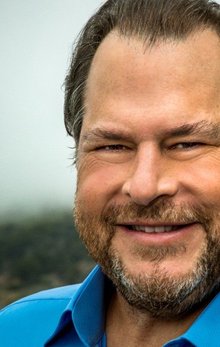
Prominent industry leaders are converging on similar expectations. At this year’s World Economic Forum in Switzerland, Salesforce CEO Marc Benioff said he and many peers could be the last leaders of purely human workforces.
According to Fortune, he said: “From this point forward… we will be managing not only human workers but also digital workers.”
Anthropic CEO Dario Amodei, speaking on the same panel, projected rapid capability gains, saying that by 2026 or 2027, AI systems will be “better than almost all humans at almost all things”.
Marc pushed back on job loss fears, arguing that AI workers will “create a higher level of success” and help “deliver a new level of productivity”. Yet HR leaders must also reconcile optimism with workforce risk signals.
Evidence is mounting that recent college graduates are finding it harder to secure roles as companies lean more on AI. Amodei warned in a May 2025 interview with Axios that AI could “wipe out half of all entry-level white-collar jobs”.
The wider C-suite is preparing for fundamental changes to people management. According to KPMG’s AI Quarterly Pulse survey from June, 87% of business leaders believe AI agents will force organisations to redefine performance metrics and upskill employees that AI could displace.
Jensen’s position remains that AI will augment, not replace, the human core of Nvidia.
He envisions many digital employees working alongside people to increase productivity.
For HR chiefs, the takeaway is clear: collaborate with CIOs to build a dual workforce model - codifying roles for AI agents, designing cultural onboarding for digital and human hires alike, and updating performance, governance and learning systems so both can thrive.
Company portals




Executives

Dario Amodei
CEO and Co-Founder
Jensen Huang
Founder and CEO
Marc Benioff
Chair & CEO
- F5 Bets on Culture, Hiring Wayfair's People ChiefTalent Acquisition
- Darren Minshall Joins WPP Media as UK Chief People OfficerTalent Acquisition
- OpenAI's Fidji Simo Steps Down to Fight an Incurable IllnessOperations
- Ford Rehires 300 Engineers to Improve Manufacturing QualityTalent Acquisition