
Top 10: Employee Wellness Programmes
Wellbeing used to live on the gym noticeboard. It now sits on the CHRO's agenda, dragged there by burnout, a deepening mental-health crisis and a fight for talent that shows no sign of easing.
The providers below build mental-health care, coaching and mindfulness into programmes employers can run across borders. These programmes tie directly to retention.
This Top 10 ranks them by revenue, rising from the agile challengers to the platforms now serving millions of workers.
Find out which is ranked number one by HR Chief.
10. Wellable
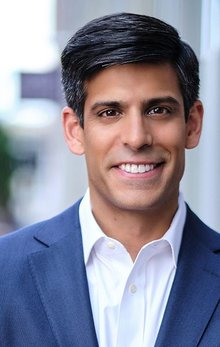
CEO: Nick Patel
Revenue: US$23m
Based in: Massachusetts, US
Wellness, in Wellable's view, should feel less like a mandate and more like a marketplace. The Wellable platform lets employers create holistic programmes from challenges, content, rewards and on-demand classes. They can then tailor these to each workforce.
Its strength lies in breadth and engagement, meeting employees wherever their wellbeing is instead of pushing one rigid scheme. The Boston firm's November 2025 purchase of Bright Breaks added live movement and mindfulness sessions. This deepened a catalogue designed to keep participation high long after the January rush fades.
9. Thrive Global
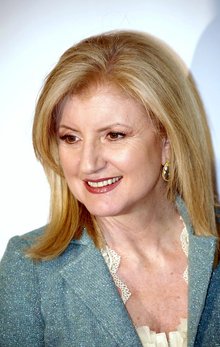
CEO: Arianna Huffington
Revenue: US$35m
Location: New York, US
Thrive Global is the wellbeing venture Arianna Huffington built after collapsing from exhaustion, and that origin still drives it.
The platform focuses on behaviour change in small doses, with its Microsteps nudging employees toward better sleep, sharper focus and steadier stress levels. Rather than selling therapy, Thrive targets daily habits that lead workers to burnout. For employers seeking culture change at scale, its science-backed nudges promise resilience without asking staff to overhaul their lives overnight.
8. Modern Health
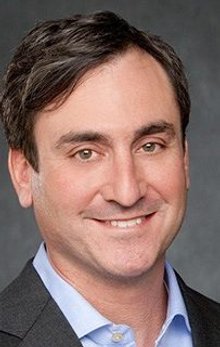
CEO: Matt Levin
Revenue: US$75m
Location: California, US

Mental health rarely fits one mould, which is the bet behind Modern Health. The Modern Health platform routes employees to the right level of support, from self-guided content to coaching to clinical therapy, across dozens of languages and countries.
That tiered model keeps costs sensible while widening access, a pitch that resonates with global employers.
Under Chief Executive Matt Levin, who took over in 2025, the San Francisco company is leaning further into measurement, proving wellbeing spend against engagement and outcomes.
7. BetterUp
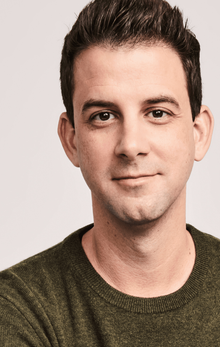
CEO: Alexi Robichaux
Revenue: US$215m
Location: California, US
BetterUp reframed wellbeing as performance, selling coaching rather than therapy to build what it calls mental fitness.
The platform pairs employees with accredited coaches and AI-guided tools, targeting resilience, leadership and focus rather than just crisis. This approach won blue-chip clients and a valuation near US$5bn at its peak. Led by Co-founder Alexi Robichaux, the San Francisco firm pitches coaching as a growth investment. It is a development perk that retains ambitious staff as much as it steadies stressed ones.
6. Lyra Health
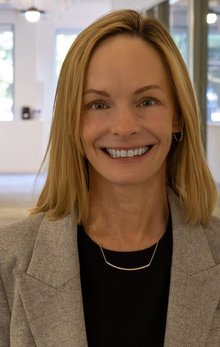
CEO: Jennifer Schulz
Revenue: US$235m
Location: California, US
Where many wellbeing apps stop at meditation, Lyra Health goes clinical. The Lyra Health platform connects employees to vetted therapists and evidence-based care, screening providers hard and tracking whether people actually get better.
That outcomes focus has made it a favourite of large employers wary of wellness theatre. Now led by Chief Executive Jennifer Schulz and valued at around US$5.9bn, the Burlingame company sits at the serious end of the market, where mental-health benefits are judged on recovery rates, not download counts.
5. Spring Health
CEO: April Koh
Revenue: US$280m
Location: New York, US
Spring Health uses data to take the guesswork out of mental-health care.
Its platform assesses each employee and routes them directly to the therapy, coaching, or medication most likely to work, skipping the trial-and-error that frustrates patients.
That precision pitch led to a US$3.3bn valuation. Its January 2026 acquisition of provider network Alma expanded the bench of clinicians behind it. Under co-founder and chief executive April Koh, the New York firm is positioning fast, personalised access as the new benchmark for employer mental-health benefits.
4. Calm
CEO: Michael Acton Smith and Alex Tew (co-founders)
Revenue: US$300m
Location: California, US

Few wellness brands are as recognisable as the one behind the sleep stories and breathing exercises. Calm built a consumer empire on mindfulness, then carried it into the workplace through Calm Business and Calm Health.
For employers, the appeal is familiarity and adoption, a tool staff often already love rather than one more login to ignore. The San Francisco company is working through a leadership transition, with Co-founders Michael Acton Smith and Alex Tew stepping back in as Co-executive chairmen, even as its meditation-first model expands into clinical mental-health support.
3. Wellhub
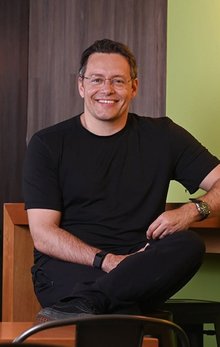
CEO: Cesar Carvalho
Revenue: US$320m
Location: New York, US
Wellhub treats wellbeing as a single subscription to almost everything. Founded in São Paulo as Gympass and now headquartered in New York, the platform bundles gyms, studios, mental-health apps, nutrition and sleep tools into one corporate benefit employees can mix and match.
The model is built on access. Rather than back a single discipline, Wellhub aggregates thousands of partners worldwide, betting that choice drives the daily use most wellness perks never achieve. That breadth has made it a default for multinationals standardising benefits across borders.
Led by Co-founder Cesar Carvalho and valued at around US$2.4bn, the company rebranded from Gympass in 2024 to signal a shift from pure fitness to whole-person wellbeing. For HR teams juggling a global workforce, the pitch is reach, one contract and one app covering wellbeing in dozens of countries at once.
2. Headspace
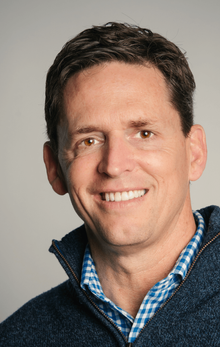
CEO: Tom Pickett
Revenue: US$350m
Location: California, US
Born as a meditation app with a soothing voice, Headspace has grown into one of the largest mental-health companies worldwide. The platform now spans mindfulness, coaching and clinical care, the last added through its merger with virtual-therapy provider Ginger.
That combination is the point. Employers get a single front door covering everything from a two-minute breathing exercise to a session with a licensed therapist. This suits organisations that want prevention and treatment under one roof.
Under Chief Executive Tom Pickett, who joined in 2024 from DoorDash and YouTube, the Santa Monica company is pushing into AI-guided support and tighter measurement. With a brand most employees already trust, Headspace offers the rarest thing in wellbeing: a programme people open without being told.
1. Personify Health
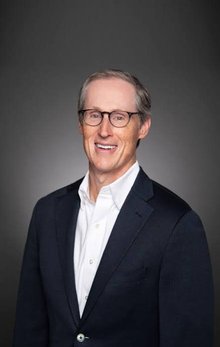
CEO: Pete McCabe
Revenue: US$390m
Location: Rhode Island, US
Personify Health tops the list as the largest wellbeing business by revenue, and the only one here with audited figures to prove it. Formed from the 2024 merger of Virgin Pulse and benefits administrator HealthComp, it reported US$390m in revenue for that year.
Its scale comes from doing more than wellness. The platform stitches wellbeing programmes, benefits navigation, care management and health administration into what it pitches as a single, personalised health experience, built to simplify a famously fragmented system for employees.
That breadth lets it serve some of the largest employers in the US, where wellbeing, claims and care decisions increasingly run through one platform. Under chief executive Pete McCabe, appointed in 2025 and backed by New Mountain Capital, Personify Health is betting that the future of employee wellness is not a standalone app but the connective tissue across an entire benefits stack.
Company portals









Executives

Alex Tew
Co-founder
Alexi Robichaux
CEO & Co-Founder

April Koh
CEO and Co-Founder
Arianna Huffington
CEO
Cesar Carvalho
Co-founder and CEO
Jennifer Schulz
CEO
Matt Levin
CEO

Michael Acton Smith
Co-founder
Nick Patel
CEO
Pete McCabe
CEO
Tom Pickett
CEO
- The Happiness Index: Why Most Firms Get Employee Joy WrongOrganisation & Culture
- Marsh: Resilience Depends on How Companies Invest in PeopleEmployee Experience
- CHROs: Treat Employment as a Relationship, Not a TransactionOrganisation & Culture
- How will Aardman’s People Strategy Change Under Helen Beard?Organisation & Culture