Cognizant on Track to Hire 1,500 US Graduates in 2026
Cognizant is increasing its investment in graduate hiring.
The company is on track to hire 1,500 college graduates in the US by the end of 2026, as part of efforts to deepen its commitment to building AI talent and strengthening the American technology workforce.
These hires sit across the company’s core technology services businesses, its Belcan engineering subsidiary and a new Frontier Engineers talent programme, which has been designed to attract top technical graduates.
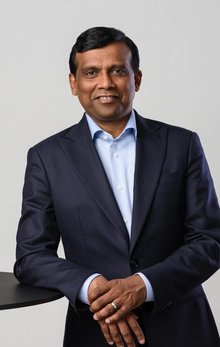
“America's next generation of technologists will define how AI gets built, deployed and governed,” says Ravi Kumar S, CEO of Cognizant. “Hiring 1,500 college graduates in the United States this year is both a workforce investment and a statement of confidence in American talent and a recognition that the AI-builder ramp-up begins on campus.
“We are equipping these graduates with the skills, mentorship and real-world experience to become the backbone of the AI economy.”
Investing in students and graduates
As part of Cognizant’s strategy to invest in US talent, the company has an active recruiter and mentor presence in more than 40 US universities, offering internships, professional development pathways and apprenticeships.
They include Fusion, the flagship internship, which offers mentorship in AI tools. Ignite gives first-year students career exploration and development, while Elevate builds progression pathways for second-years.
Cognizant has also launched a 2026 Frontier Engineers stream, which will target technical graduates through an accelerated career programme – with project assignments aligned to advanced AI initiatives within the company.
Cognizant’s Frontier Engineers will be working directly with client organisations, helping to reimagine business processes for an AI-enabled environment. This will involve identifying where AI can reshape operations and eliminate friction to create a lasting competitive advantage.
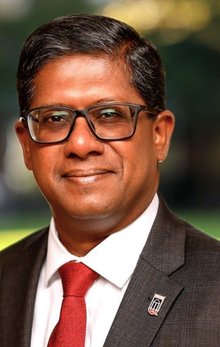
“Cognizant has been an important partner in helping our students explore career opportunities and gain insight into the changing demands of the modern workplace,” says Santanu Chatterjee, Dean and Dr. Harold A. Black Distinguished Professor at the University of Georgia Terry College of Business. “As AI continues to reshape industries, collaborations between employers and universities play a critical role in preparing graduates who can combine technological fluency with the judgment, communication skills and leadership capabilities that organisations need. We value opportunities to work with companies like Cognizant that engage with students throughout their educational journey.”
A changing employment landscape
Programmes such as this are helping transition college students and graduates into the workplace – with research from Pearson and AWS finding that very few graduates feel that they have developed the skills they need to succeed.
The research found that just 14% of graduates say that they have achieved a high level of proficiency in applying AI tools in the workplace, while more than half of employers report that their main challenge when hiring is finding graduates who have the AI skills that they need.
The gap reflects universities struggling to keep pace with the evolving workplace, as just 28% of employers believe that universities are keeping up with the high rate of change – with King’s Trust finding that 55% of jobs currently held by young people are likely to change due to AI.
In fact, Mary Moreland, Executive Vice President of Human Resources at Abbott, has suggested that graduates are no longer prepared for the working world.
In an article penned for Fortune, she wr: “Years of remote learning deprived students of formative experiences like lab work and campus leadership. Many graduates now have strong academic foundations but less practice navigating unspoken professional norms.
“On top of that, many entry-level roles that once taught young professionals the basics – data analysis, coding and report-writing among them – are disappearing as companies turn to AI. That may boost productivity today. But it prevents firms from developing the next generation of talent to lead them in the future.”
Company portals



Executives
Mary Moreland
Executive Vice President, Human Resources
Ravi Kumar S
Chief Executive Officer
Santanu Chatterjee
Dean and Dr. Harold A. Black Distinguished Professor at the University of Georgia Terry College of Busines