
Heidrick Tells CEOs to Own Culture, Not Delegate It

Most culture programmes meet the same quiet end. A company needs to change, so it stages a launch, arms its leaders with talking points and waits for everyone to "just get it".
The energy fades, execution stalls, the numbers miss. Heidrick & Struggles has built a practice to fix that, and its message is pointed.
"Every leader must model new mindsets and behaviours, moving their feet, not just their lips," writes Rachel Farley, a Heidrick Partner, in a LinkedIn post announcing the launch. "When this isn't happening, skepticism sets in and undermines all other efforts."
Culture is a CEO job, not an HR hand-off
The new Performance Culture practice, led by Partner Atif Sheikh, opens on an uncomfortable premise for many HR teams. Culture, he argues, is too often delegated to them while executives "wait to be told when to show up and what to say". Atif's team puts the responsibility back on the CEO.
Its survey of 500 CEOs found 71% rank culture among the top three influences on financial performance, yet few treat it as a job they personally own. Rational buy-in is not enough, the firm adds.
Leaders have to build emotional commitment across their teams, going well beyond the "check the box" ritual of town halls and roundtables. Heidrick boils its approach down to four principles:
- The CEO owns the culture from the start, rather than delegating it
- Culture is commercial, built on behaviours designed to execute the strategy
- Emotional commitment matters more than rational understanding
- Leaders go first, modelling the change in how the work gets done
Four elements, ruthlessly aligned
Underneath is a model of four elements a company must align: purpose, strategy, culture and structure.
Most firms treat them separately. Purpose is set in board retreats, strategy bought from consultants, culture handed to HR and structure fixed in one-off redesigns. Heidrick argues they only pay off together when people stop getting mixed signals about what matters most.
On structure, the firm preaches restraint, changing the few things that matter rather than everything at once.
It points to Tesco, the £60bn (US$77bn) UK grocer, which rebuilt only its sluggish governance model to move faster. 10 of its top 50 leaders redesigned and relaunched it in eight weeks. It told 400,000 staff that decisions would now be made differently instead of merely promising agility.
Culture gets the same discipline, three or four behaviours tied to values rather than a wall of frameworks. Chip-maker ADI drilled a single element, "take ownership, be accountable", through more than 5,000 leaders and watched its engagement scores and a Forbes culture ranking climb two years running.
What it means for HR
For people teams, the message cuts both ways. Hearing that culture is not theirs to own may sting, yet it also reshapes their mission.
HR's role shifts to making the CEO's ownership real, weaving purpose and behaviours into everyday work rather than drafting a values poster no one reads.
Heidrick now calls culture a "must have" lever, not merely a nice-to-have, and its first three challenges are sharply defined.
Can an employee in the corridor explain your direction?
Do you know the culture you have against the one you need?
And does culture sit on the executive agenda as a performance issue, not a side conversation? The leaders who win, Atif's team argues, do not leave culture to chance. They engineer it towards the results they want.
Company portals

Executives
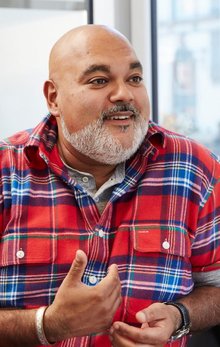
Atif Sheikh
Global Leader of Performance Culture

Rachel Farley
HR Executive Search, Executive Coach
- The Silent Killer of Every Reorg, and How Leaders Beat ItHR Strategy
- Coca-Cola CFO Takes North America as Jennifer Mann ExitsOrganisation & Culture
- BT and Verizon Merger Could Affect 68,000 Jobs GloballyOrganisation & Culture
- JPMorgan Names Two Co-Presidents in Dimon SuccessionOrganisation & Culture