How Kickstarter's Four-Day Week Boosts Performance

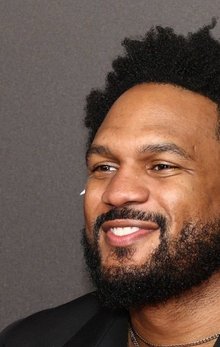
Everette Taylor, the CEO of Kickstarter, tells the New York Times that he "wanted to be empathetic" to employees with the company's flexible working policy.
As more organisations issue return to work mandates – with the British Chambers of Commerce finding that the proportion of UK businesses wanting staff fully on site has increased from 27% to 48% in just two years – Kickstarter is doing things differently.
The crowdfunding platform operates on a fully remote model with a four-day work week, which Everette says stems from his belief that employees should live "fulfilled and beautiful lives".
Despite implementing a shorter working week, workforce performance has remained a priority.
Everette says he has "a very high bar for work and excellence".
The company has found that its condensed schedule has motivated teams to eliminate tasks that can be deemed non-essential, reduce the number of meetings they have and focus on more high-priority outcomes.
Everette says that this business model requires staff to work harder.
He says: "The level of intensity, intention and velocity that you have to bring in everything that you do is extreme."
Improving employee engagement
Results from the UK's trial of a four-day work week found that it offers businesses a significant talent advantage.
Employee turnover reduced by 57% at companies within the trial and 15% of employees surveyed said that "no amount of money" would make them go back to a five-day schedule.

However, Everette wants to ensure the company is still hiring the right people.
"We have attracted some of those people," he says, referring to talent applying solely for the perk of a four-day week.
"If you're not at Kickstarter for the right reasons, I don't want you here."
Everette tells CNBC Make It that he looks for candidates who have the skills to perform the tasks in the jobs the company is hiring for, or a commitment to learning and putting in the work.
He says: "I don't care about degrees. I don't care about fancy companies. I don't care about fancy titles. Can this person actually do the job? Can they execute at a high level what I need them to do in their role?"
Everette himself was appointed CEO of Kickstarter at just 33 – making him 20 years younger than the average CEO.
Differing views on the future of work
There are conflicting opinions on the future of the four-day work week amongst CEOs – particularly as AI shifts the way businesses operate.
Jamie Dimon, CEO of JPMorgan Chase, has previously suggested that he thinks AI will lead to a reduction in working hours.
At the America Business Forum, he told attendees that he believed "the developed world will be working 3.5 days a week in 20, 30, 40 years and have wonderful lives".
Some business leaders, however, believe AI will instead lead to an increase in the amount of work employees have.
Mark Dixon, CEO of International Workplace Group, says that he thinks businesses are unlikely to adopt shorter working hours when productivity is a key driver.
He told Fortune: "Everyone's having to control their labour costs because all costs have gone up so much and you can't get any more money from customers, so therefore you have got to get more out of people."
Company portals



Executives
Everette Taylor
Chief Executive Officer
Jamie Dimon
Chairman of the Board
Mark Dixon
Founder & Chief Executive Officer