
How Patagonia Built its Values-led Company Culture

Patagonia has created a unique culture, where its passion for environmentalism and love for the outdoors are intrinsically tied to its mission statement.
According to Patagonia founder Yvon Chouinard, this approach to culture helps the company continue to grow and innovate. Writing in his book ‘Let my People go Surfing’, he said of this mindset: “We can hardly continue to make the best outdoor clothing if we become primarily an “indoor” culture.”
To ensure these values are embedded into the company it has prioritised them when finding its people, hiring talent that aligns with its culture and developing an employee experience that allows for long-term retention.

Culture-led talent attraction
Patagonia has developed its non-traditional corporate culture through a “purpose-first” approach to hiring.
When recruiting, the company seeks out potential candidates passionate about the company's environmentalism and passion for the outdoors over skills and experience.
In ‘Let my People go Surfing’ Yvon discusses this strategy, saying: “We seek out ‘dirtbags' who feel more at home in a base camp or on the river than they do in the office.
“All the better if they have excellent qualifications for whatever job we hire them for, but we’ll often take a risk on an itinerant rock climber that we wouldn’t on a run-of-the-mill MBA.”
To ensure it continues to hire employees aligned with its core mission, Patagonia says it will often review CVs from the bottom up, looking for hobbies and passions before reviewing job titles and experience.
This helps the company determine if a prospective candidate is connected to environmentalism and would make a strong cultural fit.
Taking this risk has helped the business retain talent at much higher rates – Patagonia has an average turnover of 4%, compared to the average US turnover of 57%.
Building a stronger employee experience
To maintain this values-led culture, Patagonia strives to ensure it understands the needs and pain points of its employees in their working lives.
At the Ragan Employee Experience Conference, Theresita Richard, Chief People and Culture Office at Patagonia, shared how it decidedto get closer to employees after an employee audit found that its staff in warehouses and stores were less satisfied than those in offices.
To do that, its HR team immersed themselves in the daily lives of employees to collect data about their experience, which they could then turn into an action plan for employee wellbeing.
Theresita says: “We accompanied people at the beginning of their day, rode the subway with them, engaged in co-creation workshops with them.
“Getting close isn’t good enough. It’s very easy to say ‘I know the answer,’ but we needed to understand what our employees were genuinely experiencing.”
From here, the company was able to identify employees’ specific needs and better improve their wellbeing offerings.
One small but impactful difference the company was able to make was changes to its wellbeing programme. Theresita shares that, before, it had a reimbursement policy for services related to health and wellbeing, but found that this didn’t fit with many employees’ lifestyle.
Patagonia found that a better option for many employees was to pay for a monthly gym membership, as employees didn’t have to worry about navigating a reimbursement system.
Theresita says: “Understanding these needs allows us to prioritise our attention and investment where it truly matters. Decisive action should be taken based on the insights gathered from employees.”
Company portals
Executives

Theresita Richard
Chief People & Culture Officer; Global Head of Justice & Belonging
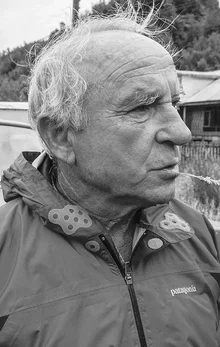
Yvon Chouinard
Founder and Ex-Owner