
LinkedIn: Why Internal Mobility for Women is Slowing

Although women represent 44% of the global workforce, they hold just 31% of leadership roles worldwide, according to research from LinkedIn.
The findings, as shown in LinkedIn’s 2026 State of Women in Leadership report, demonstrate that female representation in the workplace declines as careers progress.
This is most glaring in executive roles, where the number of women falls by 30% in the step up from Vice President to the C-suite.
Discussing the research on LinkedIn, Silvia Lara, Senior Data Scientist at LinkedIn, says that people need to “bring facts and data” when it comes to discussing the experiences of women in the workplace.
She says: “We need to move this month away from ‘feel-good’ statements that can inadvertently reinforce the exact preconceived notions that hold women back.
“Instead, focus the conversation on calling for the policy changes that tackle these systemic friction points.”
Female representation in the workplace
According to LinkedIn, the growth of women in leadership positions is slowing.
From 2015 to 2022, women’s leadership representation grew 0.4% per year – but this is slowing significantly.
Since 2022, the number of women in leadership positions has increased by 0.3% in total, and stalled completely or even reversed in 62% of the countries surveyed.
While this pattern can be seen across all industries, those where women form the majority of workers – such as healthcare and education – do see stronger levels of women in leadership compared to those with less female representation, such as construction or oil and gas companies.

This pace of women’s growth in leadership positions has also been highlighted by the World Economic Forum in its Global Gender Gap report 2025.
The research, which examines gender equality across 148 countries, finds that full gender parity in the workplace will not be achieved for 123 years – with women often concentrated in lower paying roles.
Building opportunities for women in leadership
To attempt to close this leadership gap, many organisations are developing dedicated employee upskilling programmes to help female employees develop leadership skills – such as American Airlines, which has created a dedicated Women’s Leadership Programme.
This initiative is designed to connect, develop and support both female leaders and female pilots through learning and mentoring, as well as providing networking receptions to better build connections between women in the workplace.
In February, the company partnered with Women in Aviation International (WAI) as its official airline for the Women in Aviation International Conference.
Cole Brown, Chief People Officer, says of the partnership: “At American, we believe building a culture where women and girls are represented, empowered and able to thrive as leaders is vital to the future of our industry.
“As we celebrate our centennial year, we’re proud to partner with WAI – and welcome its supporters to our hometown of Dallas-Fort Worth – to honor our legacy of innovation and reinforce our commitment to developing the future of the aviation workforce.”
Supporting career development
To increase women’s representation in leadership positions, LinkedIn recommends that businesses should strengthen early career pathways and ensure there is equitable access to senior roles in their organisations.
This includes supporting female workers through mid career transitions, and deploying strategies to improve retention and avoid a steep leadership decline.
LinkedIn’s research says that “closing the gender gap at the top will require persistent effort to ensure that gains in workforce participation translate into meaningful leadership representation over time.”
Company portals


Executives
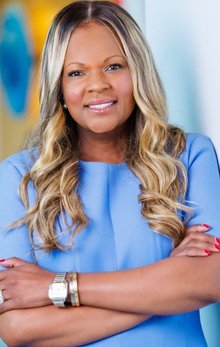
Cole Brown
Chief People Officer