Mark Zuckerberg Admits Meta's Mistakes as Its CHRO Steps In

When a CEO admits mistakes mid-restructure, who fixes them?
Public mea culpas are rare in Big Tech, and rarer still mid-restructure. Mark Zuckerberg just delivered one.
"Given the complexity of these changes, we've made mistakes and will almost certainly make more," the Meta CEO writes in a staff memo seen by Reuters, conceding that the company's rapid AI overhaul has misfired in places.
For all the candour, the admission lands hardest on the people who must carry it out. Meta cut roughly 8,000 jobs, about 10% of staff, in May and reassigned some 7,000 others into AI work.
Turning that upheaval into something employees can live with falls to Chief People Officer Janelle Gale – the executive who owned the April cuts with transparency, designed the May off-ramp, and now must operationalise Mark's June admission of error.
"Normally, we would want to nail down more details before communicating about this broadly, but since this has leaked, I want to share what I can right now," Janelle writes in a memo to staff, first reported by Bloomberg, before tying the cuts to strategy.
"We're doing this as part of our continued effort to run the company more efficiently and to allow us to offset the other investments we're making."
A mea culpa after the cuts
Mark's admission came after the disruption was visible and staff were pushing back. Owning the errors at that point reads less as spin than as an effort to steady a workforce mid-change.
He framed the restructure as deliberately reversible. "By creating important new roles for people, this also allowed us to shrink the size of teams, knowing that if we make mistakes in some places, then we could transfer some people back," Mark writes, pledging to help those moved into AI-training roles and to undo changes that do not work.
He says Meta plans no further company-wide layoffs this year, and wants to give staff "as much stability as possible."

Inside Meta's off-ramp
Beneath the strategy, the off-ramp gets intensely personal. In May, the cuts reached Singapore first, at 4am local time, before rolling west, and many affected H-1B visa holders faced a 60-day clock to find new sponsorship or leave the US. Meta has paired the exits with severance, extended healthcare and immigration support, while Janelle's team steers those who remain into newly created AI-training roles rather than out the door.
Selling that as an opportunity is the other half of her job.
In her restructuring memo, Janelle outlined the logic: "As org leaders worked on the changes, many of them incorporated AI native design principles into their new org structures,"she says.
"We're now at the stage where many orgs can operate with a flatter structure with smaller teams of pods/cohorts that can move faster and with more ownership."
A template for Big Tech
The episode is fast becoming a case study for every Mag 7 people chief, from Microsoft to Amazon, all cutting deep while pouring money into AI. Meta alone has lifted its 2026 capital spending plan to between US$125bn and US$145bn.
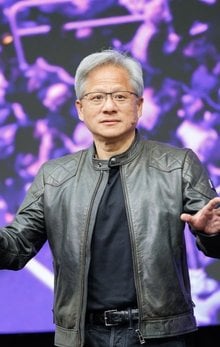
Not everyone buys the framing. NVIDIA CEO Jensen Huang calls executives who blame AI for layoffs "lazy" arguing the technology is lifting output per worker rather than replacing people outright. The tension is real with Meta flattening management and some AI teams reportedly running contributor-to-manager ratios as high as 50-to-1, even as it insists the goal is opportunity rather than attrition.
For people chiefs, the lesson is clear. Admitting error mid-crisis steadies a workforce, but only if the off-ramp is real.
Mark broke ranks by admitting the mistake publicly; Janelle owns what comes next.


Executives
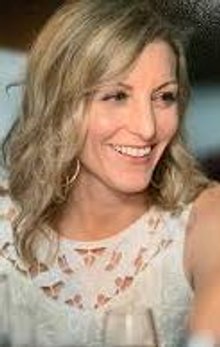
Janelle Gale
VP of Human Resources
Jensen Huang
Founder and CEO
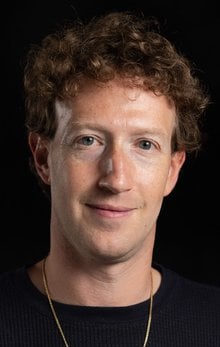
Mark Zuckerberg
CEO