Exec Perspective: Will AI Have an Impact on Employment?

HR is shifting from anxiety to action, as HR chiefs are being tasked with leading their organisations through an AI-driven workforce transition.
According to Forbes Research’s 2025 AI Survey of more than 1,000 C‑suite leaders, 44% of Chief Human Resources Officers have already transitioned employees from non‑AI roles to AI‑related positions.
Recognising the skills shift this entails, more than half of companies are addressing the gap through training programmes, mentorship and career growth initiatives, the survey finds.
A practical model for HR-led adoption comes from Workday. Senior leaders at the cloud-based workforce management platform have rolled out an ‘Everyday AI’ programme designed to overcome adoption barriers by encouraging employees to use and experiment with AI tools, openly discuss how AI is already being used and how it could be incorporated further into their roles.
Speaking with HR Brew, Workday Chief People Officer Ashley Goldsmith praised the programme’s results, saying it had led to “huge adoption and real enthusiasm” within the business.
An executive outlook on AI
Despite high-profile warnings and hype, executive sentiment in the Forbes study shows leaders are optimistic about employment impacts over the near term.
Ninety-four percent predict fewer than 5% of jobs will be eliminated over the next two years, and 59% say AI will ultimately create rather than eliminate job opportunities, an increase from 33% in 2024.
Still, talent anxiety is real and present on the ground. Forbes reports one executive saying their most significant challenge is “helping employees trust and adapt to new tools without fearing job loss”, while another noted that “cultural change takes time, and fear of job loss affects involvement.”
In response, 68% of leaders in the survey say their organisations now have a clear strategy to shift the narrative from job replacement to human‑AI collaboration.
What the C-suite is saying about jobs and AI
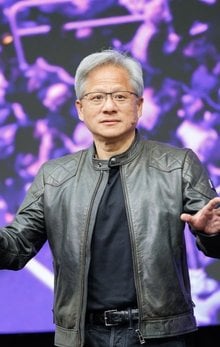
The broader C‑suite remains divided on the long-term balance of job creation versus displacement. Nvidia CEO Jensen Huang has repeatedly said in the press that “many new jobs will be created” by AI.
By contrast, CNN reports Anthropic CEO Dario Amodei warning earlier in the year that AI tools that Anthropic and others are racing to build could eliminate half of entry‑level, white‑collar jobs and increase unemployment by 20% in the next five years.
For HR leaders, transparent communication and skills‑based mobility will be central to maintaining trust and engagement.
Walmart’s approach underscores this. At a September press conference at the company’s Bentonville headquarters, CEO Doug McMillon said: “It’s very clear AI is going to change literally every job.”
He outlined how Walmart is navigating human‑technology collaboration, saying: “I think the way for us all to approach it, especially here at Walmart, is just in a very transparent, honest, straightforward way, talking to people in real time about what we’re learning, what we’re doing and why we’re doing this.”
Doug told the Associated Press that this approach will keep employees invested and “optimistic about what the future of their life can look like” through new tools that are “making their jobs better”.

Hiring signals shift to adaptability and AI fluency
Hiring signals are shifting toward adaptable, AI‑literate talent. According to Business Insider, LinkedIn CEO Ryan Roslansky said in an informal chat that the most likely to get hired will be “adaptable, forward‑thinking, ready to learn and ready to embrace these tools."
He emphasised that AI‑savvy talent will survive the increased adoption of AI, whereas degrees will no longer be the secret to reaching six‑figure salaries.
Where an employee may be more heavily affected by AI implementation depends on the department, says Forbes.
When asked where AI is currently being used most to drive decision making and create transformative experiences, 69% of leaders say IT infrastructure and tech, 3% cite HR operations and 2% point to legal.
That gap signals both an adoption runway for HR and an opportunity to model responsible, high‑impact use cases, such as recruiting, skills inference, learning pathways and workforce planning, paired with robust governance.
This suggests a need to double down on upskilling, internal mobility and change communications; pilot practical AI use cases within HR to build credibility and capability; and anchor the narrative in human‑AI collaboration.
Done well, these steps can reduce fear, accelerate adoption and position the workforce to capture AI’s upside while mitigating its risks.





Executives

Dario Amodei
CEO and Co-Founder
Doug McMillon
President & CEO
Jensen Huang
Founder and CEO
Ryan Roslansky
Executive Vice President