Why Pandora Folded Sustainability Into HR

Pandora did something to its org chart that most HR leaders would call a category error. It put the people who hire and fire in the same room as those who count its carbon.
Then it fused them into a single team and gave the result a pointed name, People and Planet.
TIME and Statista recently ranked the Danish jeweller among the world's most sustainable companies for a third straight year. Their 2026 list scored 750 firms on transparency, accountability and environmental impact.
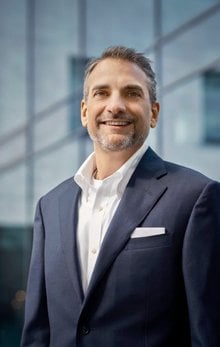
For Byron Clayton, Pandora's Chief People and Planet Officer, the merger formalised what he already believed. "Long-term value and growth come from investing in both our people and the world around us," he says.
The logic is that culture and climate are not separate projects but the same one, and that the people function is where both are won or lost.
The combined team answers to Byron, who arrived as HR chief in 2023 after senior people roles at Ikea, Nokia and Microsoft.
When HR inherits the planet
The move tracks a wider redrawing of the HR brief. As ESG disclosure, green skills and employee expectations collide, more boards are nudging sustainability toward the people team, where culture, communication and workforce data already live. Pandora has simply formalised what many people chiefs are quietly absorbing.
The bet has backing from the top. Berta de Pablos-Barbier, who became Chief Executive in January, has framed her job as driving "long-term growth" through "the current market turbulence."
"Over the past years, we have established a strong brand with a unique position in the market for accessible jewellery," she says in a company statement.

Since 2019 Pandora says it has grown revenue by 49% while cutting carbon emissions by 17%, moving to 100% recycled silver and gold and running all its craftsmanship on renewable electricity. With more than 112 million pieces made a year, that is no token gesture.
The people strategy that paid for itself
If sustainability is the headline, the people work is the motor beneath it. Byron told HR Executive that his refreshed people strategy has already booked around €200m (US$220m) in measurable value, with retention the biggest single driver.
The supporting figures, all his teams, are unusually concrete for HR. Attrition is down 25% since 2022, recruitment admin has fallen 64% and time to fill a vacancy has dropped from 38 days to 15.
Better-staffed, longer-serving stores lifted sales per labour hour by 4%, worth US$35m in the US alone. The turnaround, he says, began not with a grand plan but with the job of the store manager.
That is the quiet argument inside the rebrand. Treat people and planet as cost centres and both drag. Treat them as investments, Pandora says, and they start paying their way. The function long dismissed as overhead is now being asked to prove it drives growth, and Pandora has put a number on it.