How is McKinsey Upskilling its Leadership Team?

Disruption is becoming more prevalent across businesses.
According to a survey from AlixPartners, 40% of CEOs feel more anxious in their roles, and 72% say it is becoming more challenging to decide what disruption their company should focus on.
Key areas of disruption include global disruption – such as supply chain pressures and geopolitical uncertainties – and widening AI adoption.
Perhaps this is why McKinsey is increasing its leadership training for senior executives – with participation doubling in just under two years.
The company invests heavily in learning and development opportunities, and has even put together training inspired by Navy SEALs.
Continuous training and development
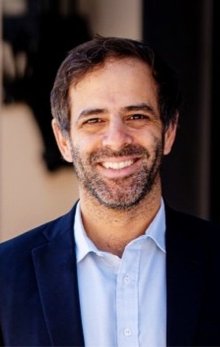
According to Alex Papo, Associate Director of Learning and Leadership Development at McKinsey, leadership training has become an “ongoing expectation” for senior leaders, rather than an isolated programme.
Alex told Business Insider that the company’s training offering includes: “Immersive group sessions, targeted training at key career inflection points, and a growing investment in coaching and support.”
In particular, Alex has said that leaders at the company often need to build up the ability to prioritise tasks and look ahead to future strategic workplace needs.
McKinsey brings in people that its employees see as “credible and truly distinctive leaders,” says Alex, in order to help teach these lessons – such as Navy SEALs.
This can help leaders learn how people in high-stress roles approach leadership and decision-making under pressure, with the consulting firm now using breathing and grounding exercises with employees to help them make better decisions under pressure, says Alex.
The company has developed a culture of learning across all levels, with employees offered constant feedback and ambitious challenges.
Heather Stefanski, Chief Learning and Development Officer at McKinsey, previously described this approach in an interview with HR Brew, saying that “the value proposition to our clients and the value proposition to our people is that we’re going to accelerate everybody’s development,” describing the company as a “leadership incubator,” where employees have the opportunity to learn and grow.
AI changes workforce models
Alex says that the integration of new tools, such as AI, is changing senior leadership roles “at a rate we’ve never seen before.”
Heather agrees, telling Business Insider that leaders are now tackling around 10 critical issues at a time, compared to four or five 10 years ago.
She added: “You add all the uncertainties around AI, and it's becoming more than just getting successors to the top, but raising the game on the whole leadership of the organisation.”
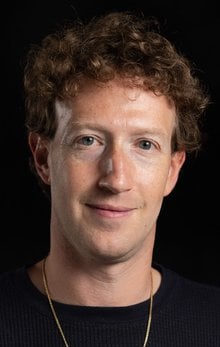
This can be seen across companies, with Mark Zuckerberg, CEO of Meta, sharing that he is developing an agent capable of decision-making for CEOs.
The agent will assist Mark when retrieving information, and also play a key role in reducing bureaucracy and accelerating employee operations.
It follows the company’s announcement of plans to double spending on AI infrastructure, with Mark sharing on an earnings call: ““We’re investing in AI-native tooling so individuals at Meta can get more done. We’re elevating individual contributors and flattening teams.
“If we do this, then I think that we’re going to get a lot more done and I think it’ll be a lot more fun.”


Executives
Alex Papo
Senior Partner Leadership Development
Heather Stefanski
Partner, Chief Learning and Development Officer
Mark Zuckerberg
CEO