
How Alex Karp Thinks AI Could Disrupt the Workforce

The conversation around AI and its impact on the workforce has taken an interesting turn, with Palantir CEO Alex Karp suggesting that traditional white-collar career paths could face significant disruption, while vocational skills may become increasingly valuable. Alex's perspective raises important questions for HR leaders navigating the evolving relationship between technology and talent management.
Karp has consistently championed skill-based hiring at Palantir, emphasising problem-solving capabilities and learning agility over academic credentials. This approach could signal a broader shift in how organisations evaluate and recruit talent as AI tools become more sophisticated.
As companies across sectors implement AI systems, HR professionals are grappling with how to support employees concerned with job security, particularly in areas such as data entry, customer support and entry-level coding positions.
In an interview with TBPN, Karp outlined his view on which workers might be best positioned for the AI era. "There are basically two ways to know you have a future. One, you have some vocational training. Or two, you're neurodivergent," he says.
Karp used the term "neurodivergent" broadly, encompassing conditions like ADHD, autism and dyslexia. He suggested that individuals with these diagnoses may be more inclined towards unconventional career trajectories, which could prove advantageous as organisations seek adaptable talent in an AI-driven landscape.

Implications for white-collar roles
The disruption Karp describes could primarily affect white-collar positions, including executive, managerial and administrative functions. This perspective aligns with views from other technology leaders.
Anthropic CEO Dario Amodei tells CNN that AI could eliminate entry-level white-collar jobs within five years, suggesting that AI will "get better than humans at almost all intellectual tasks".
In a self-published essay from 2024, Amodei elaborated: "The pace of progress in AI is much faster than for previous technological revolutions. It is hard for people to adapt to this pace of change, both to the changes in how a given job works and in the need to switch to new jobs."
However, Karp's analysis extends beyond job displacement. He suggests that labour-focused roles could see enhanced economic positioning. "This technology disrupts humanities-trained – largely Democratic voters – and makes their economic power less, and increases the power, economic power, vocationally trained, working class, [...] these disruptions are going to disrupt every aspect of our society," he said in an interview with CNBC.
Some observers have questioned this interpretation. Bloomberg Senior Editor Walter Frick notes: "Coverage of AI threatening entry-level jobs has been so extensive that the narrative is starting to feel like common sense. But there's no economic rule that dictates a new technology will hurt [entry-level] workers most; often it's the reverse."
Rethinking talent acquisition strategies
Karp's emphasis on vocational competencies has informed his calls for educational reform in the United States. He argues that assessment systems could better recognise aptitude across diverse fields and industries.
"All of our tests are built around things that were valuable in the industrial revolution," he says. "It's like you want to pull out all the dyslexics, all the neurodivergence, everybody who can't sit, or needs to build, or wants to build."
To operationalise these principles, Palantir has established a Neurodivergent Fellowship, a programme intended to challenge conventional hiring frameworks and evaluate candidates based on individual merit rather than traditional credentials.
For HR leaders, these developments could suggest several strategic considerations: reassessing competency frameworks to emphasise practical skills, creating inclusive pathways for neurodivergent talent, and developing workforce planning strategies that account for AI's evolving capabilities.
As the technology landscape continues to shift, organisations may need to balance automation initiatives with investments in human capabilities that complement rather than compete with AI systems.
Company portals

Executives
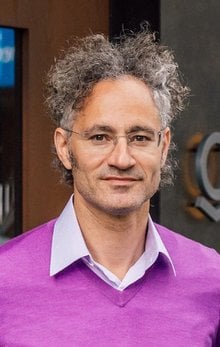
Alex Karp
CEO
Walter Frick
Senior Editor