
Meta CTO Admits Morale Crisis Amid AI Unit Revolt

Meta's technology chief says staff morale is near its lowest in 20 years. Management's answer, according to Mashable, is more snacks, bigger travel budgets and office socials, but the reception has been cold.
That diagnosis comes from Andrew Bosworth, Meta's CTO, who has been blunt about the company's troubles and about how they will fix them, in a recording reported by WIRED
"We've undermined the trust you have that your specific expertise and contribution will be valued," he writes in an internal post, conceding Meta is no longer "a place where you can actually have an impact".
How Meta engineers became 'draftees'
In March, Mark Zuckerberg assembled a 6,500-strong Applied AI unit to fuel his boldest AI gamble yet, anchored by a US$14.3bn investment in Scale AI. To staff it, he swept engineers away from their core product and infrastructure roles.
For most of Meta's history, those engineers chose their own projects and now, by some estimates, one in every five or six Meta engineers labels data full time.
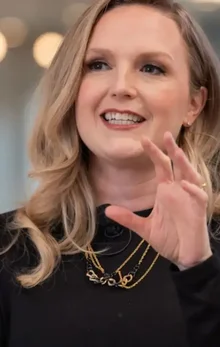
Senior AI executive Emily Dalton Smith left this week. She is part of a growing exodus from a reorganisation that turned elite engineers into reluctant data-labellers.
Why snacks cannot fix a trust gap
Andrew was among the leaders promising better snack areas and more social events, which many staff met with a shrug. A company-wide AI hackathon also drew open resistance.
To his credit, he names the real problem rather than the symptoms. "We obviously did an atrocious job explaining the vision," Andrew says of a reorganisation that followed 8,000 redundancies and unrest over a system tracking employees' keystrokes for AI training data.
On the structural side, Meta is capping managers at 20 direct reports, down from ratios that had ballooned toward 50 to one on teams such as Applied AI. It is also adding optional AI coaching and more bespoke support.
Zuckerberg has tried to steady things from the top, conceding the changes had "caused distress" and that "we've made mistakes and will almost certainly make more", while pledging no further company-wide layoffs for the rest of 2026.
The bill already coming due
Engineers have been signing up for interview-prep services since spring, and security teams thinned by reassignments were caught flat-footed by an embarrassing Instagram breach, after which the chief information security officer left.
Meta posted US$56.3bn in first-quarter revenue, up 33%, even as it cut the teams that build its products. Its shares remain the weakest of the megacaps over the past year.
For HR leaders watching, Meta is the cautionary extreme. A profitable giant chose speed over its own people, and is now learning that culture, once broken, is the most expensive thing to rebuild.

The case that Meta can still recover
For all the turmoil, Meta is not flailing blindly. Its AI push rests on a real wager that lasting value lies less in any single model than in the data and distribution behind it. That is why the US$14.3bn it spent bought a near-half stake in Scale AI rather than a finished product.
Management is adjusting too. Beyond capping management spans and pausing layoffs, Meta has reopened internal mobility. Reassigned staff can now apply for other roles, the kind of pressure valve a forced reorg badly needs.
Chris Cox, Meta's Chief Product Officer, has urged a sense of proportion. AI, he says, "is neither god, nor is it the devil", a reminder that the technology, and the disruption around it, can still be managed.
Company portals

Executives
Andrew Bosworth
Chief Technology Officer

Chris Cox
Chief Product Officer
Emily Dalton Smith
AI Head of Product

Mark Zuckerberg
CEO