
Internal Talent Pipelines Fuel CEO Succession Boom
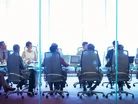
2025 saw the highest number of leadership transitions since 2010, with 168 new S&P 1500 CEOs named across the year, according to research from Spencer Stuart. This surge in CEO departures and appointments has placed unprecedented pressure on organisations to maintain robust leadership pipelines and succession strategies.
The technology, media and telecommunications sectors experienced the most pronounced shifts, with the number of departing CEOs doubling from 2024 to 2025. Companies across industries announced CEO departures and appointments, including Heineken, Walmart and Virgin Atlantic. Apple CEO Tim Cook is also reportedly thinking about stepping down as early as 2026, according to the Financial Times, as he looks to retire.
Some of these leadership changes are coming as a result of retirements – with roughly 30% of CEOs aged 60 or older, according to Spencer Stuart – but others may be due to market shifts or declines in product sales.
Discussing the report, James Citrin, Chair of the Global CEO practice at Spencer Stuart, tells the Wall Street Journal: "We're in a new environment, and someone who's going to replay the playbooks of the past is not necessarily right. If the CEO doesn't get momentum both internally with operating performance and also with investors, then boards are more impatient even than they were."
Internal development programmes prove effective
Spencer Stuart finds that 73% of CEO appointments in the S&P 500 were internal hires, with the report suggesting this is due to larger companies having the capability to train and develop well-rounded leaders. This statistic underscores the value of long-term leadership development initiatives and structured succession planning processes.
Disney, which announced in February that Josh D'Amaro would be taking over from Bob Iger as CEO in March, exemplifies this approach. Having first joined Disney in 1998, Josh has held leadership positions in the company across finance, business strategy, creative development, operations and marketing. This breadth of experience across multiple functions has positioned him to understand the business from various perspectives.
As Josh was considered for the role of CEO, he received mentorship from Bob, external leadership coaching and direct engagement with the company's directors alongside other candidates as part of the company's Succession Planning Committee.
This committee was formed after a challenging period of leadership for Disney. Bob first became CEO in 2005, but initially planned to retire in 2020 when Bob Chapek was named CEO, but returned after Bob Chapek was removed by the board due to poor financial decisions.
This thorough training and induction to the role has likely given the board and Bob further confidence in Josh's appointment, with Bob saying: "Josh D'Amaro is an exceptional leader and the right person to become our next CEO. He has an instinctive appreciation of the Disney brand, and a deep understanding of what resonates with our audiences, paired with the rigor and attention to detail required to deliver some of our most ambitious projects."

Preparing boards for leadership change
As CEO turnover increases, Spencer Stuart recommends that boards and outgoing CEOs work together to ensure the next leader can adapt quickly to the responsibilities of their role. To best achieve this, it recommends that the board makes sure it is in a position to support the new CEO's development and strategic initiatives – so they can quickly deploy the talent and organisational moves that will best underpin their strategy.
The board and current CEO should also have internal candidate options in play and an understanding of the external talent market, so that relationships can be built over time. This also means a board can move quickly, should there be a shock exit of their CEO or performance concerns arise.
Kroger, for instance, named Greg Foran as CEO after a year of the company having an interim CEO in place. Former CEO Rodney McMullen left the company following an investigation into his personal conduct. Upon his appointment, Greg said he looked forward "to working with the Board and the entire team to build on this momentum, continue raising the bar for customers and deliver long-term value for customers, associates and shareholders."
Company portals



Executives
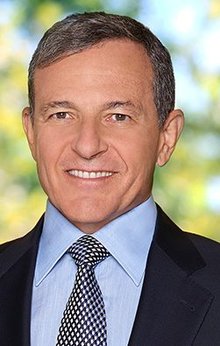
Bob Iger
CEO
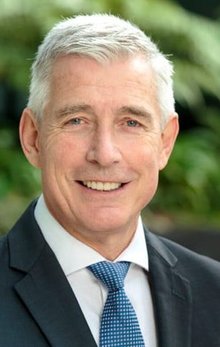
Greg Foran
CEO
Josh D'Amaro
Chairman
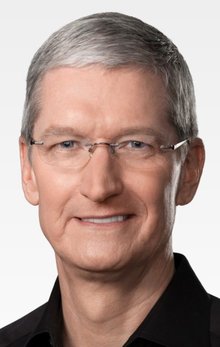
Tim Cook
Executive Chairman
- Bvlgari Appoints Fendi Executive as HR Budget DirectorHR Strategy
- Heidrick Tells CEOs to Own Culture, Not Delegate ItLearning & Development
- BT and Verizon Merger Could Affect 68,000 Jobs GloballyOrganisation & Culture
- PepsiCo’s ‘Secret Sauce’ For Hiring and Retaining TalentTalent Acquisition