Volkswagen CEO: 50,000 Job Cuts Are Just the Start

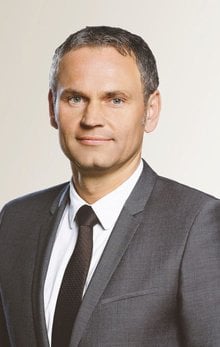
Oliver Blume attended Volkswagen's annual general meeting to defend the largest workforce reduction in modern German industry.
The Chief Executive of Volkswagen Group tells shareholders on 18 June that the company has now agreed more than 28,000 employee departures by 2030, up from 25,000 late last year. In the first phase, about 19,000 jobs in Germany will be cut by the end of 2026.
These numbers are part of a larger plan to cut about 50,000 jobs in Germany by 2030 across Volkswagen, Audi, Porsche, and the Cariad software divisions.
"We reduced factory costs at Volkswagen's German sites by more than 20% by 2025," he says.
Reducing the workforce without mandatory layoffs
Of the 19,000 job cuts planned by the end of 2026, most will occur through natural attrition, early retirement and voluntary departures rather than forced layoffs.
But the cuts alone will not close the gap. Operating margin fell to 2.8% in 2025, while Oliver targets 8 to 10%. In February 2026, executives outlined plans for deeper cost reductions of 20% by 2028. This signals that the 50,000 job cuts announced in March might not be enough to restore competitiveness.
Many of these job cuts are tied to Volkswagen's sluggish shift toward electric vehicles, prompting the company to purchase expertise it once cultivated internally.
Volkswagen recently struck a software licensing deal with Rivian worth up to US$5.8 bn. Rivian CEO RJ Scaringe calls the deal "the largest software licensing deal in the history of the automotive industry".
Where the social pact is straining
The pledge to avoid closures and forced layoffs remains, but is clearly under pressure.
By the end of 2025, the Transparent Factory in Dresden had ceased vehicle production. In Osnabrück, 2,300 workers are likely to see T-Roc production end by mid-2027, with no new model planned yet. One option for the plant, converting it to supply Israel's Iron Dome defence system, has proved especially contentious.
IG Metall's work council, the main metal workers' union in Germany, says it expects management to "quickly provide real perspectives" for the workers, signaling they may be frustrated by the lack of a clear plan.

A template for industrial Europe
Volkswagen's profit margin fell to 2.8% in 2025, its lowest since the 2015 Dieselgate scandal, well below the 8 to 10% the company wants. Chief Financial Officer Arno Antlitz says the group's margin after changes is "not enough in the long run" and warns more staff cuts are coming.
This makes Volkswagen's job-cut method just as important as the numbers themselves. By partnering with IG Metall to encourage voluntary departures rather than imposing layoffs, the company has managed to reshape tens of thousands of roles with minimal upheaval. Now, industries across Europe are taking note of this strategy.
Arno insists Volkswagen has what it needs to finish the job. "We have all the talent we need," he says, citing "strong support from our stakeholders".
The vital question for Oliver today is whether Osnabrück can find a solution before a forced closure becomes inevitable.