
How LEGO's Leadership Model Reshapes its Culture

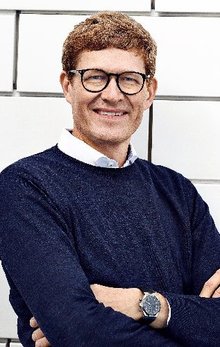
When Niels B Christiansen became CEO of LEGO in 2017, he set out to recast leadership around the behaviours the company understands best.
In a BBC interview, he says: “There are elements of how kids behave that are really beneficial for leadership.” For LEGO, those traits are being focused, curious and brave – prioritising values, experimenting to find new ideas and learning visibly from failure.
LEGO’s ‘Leadership Playground’ operationalises those behaviours at scale. Rather than a top‑down programme, the playground invites employees at any level to step forward and lead initiatives linked to innovation, company development and the everyday experience of work.
High potential employees use the model to practise leading with real accountability, chosen for their expertise rather than their job title.
Using employee input to streamline company culture
To build the 'Leadership Playground' approach and reset its culture, LEGO co‑designed the model with its people.
Working with the Institute for Management Development, the company convened a group of fifteen employees from regions, teams and functions to define a standard that worked across its footprint.
The employee group anchored the new model in the belief that children can be role models for adults at work, and replaced a cluttered legacy of 28 overlapping leadership frameworks with three clear behaviours - focus, curiosity and bravery.

Scaling behaviours through a global organisation
Once the standards were defined, LEGO scaled the playground through peers.
More than a thousand volunteers were trained as ambassadors – ‘playground builders’ – to coach colleagues, bring the behaviours into team rituals and adapt language to local context.
These builders facilitate practical conversations about focus, curiosity and bravery in their own teams, which helps the model travel across functions and geographies without diluting intent.
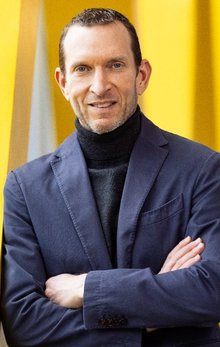
Loren I. Shuster, Chief People Officer of LEGO, helped develop the method, saying in an interview with McKinsey: “We developed our ‘Leadership Playground’ model to ensure everyone is heard, contributing, respected and valued.
“In the Leadership Playground, anyone can volunteer to lead groups focused on employee health and wellbeing, innovation and creativity.
“We believe that to continuously thrive in the constantly changing world, everyone in an organisation needs to act as a leader, not the executive leadership team alone.”

Play as a strategic practice
With the playground in place, the company has woven its core value of play into how leaders and teams operate, tying culture to product and customer insight. In a BBC interview, Niels says: “We also really play, and that revolves around our Lego campus. It's a very playful environment.
“I think it's important if you want to create these fantastic play experiences. It must be part of us to also allow play and have that as part of who we are. If we didn't do that, we couldn't serve kids in the right way.
“Even in our boardroom, there are Lego bricks on the table, so people will be building throughout. Every year we allow every employee two days fully paid when they actually go out and play.”
Company portals

Executives
Loren I. Shuster
Chief People Officer/EVP
Niels B. Christiansen
CEO
- Starbucks CEO Tackles Workforce Culture TransformationOrganisation & Culture
- Why General Motors's CEO Responds to Every Letter ReceivedEmployee Experience
- LinkedIn: Why Internal Mobility for Women is SlowingOrganisation & Culture
- What Does "Always On" Mean for Uber's People Strategy?Organisation & Culture